Target Market
Define your target users and regions
From product definition and engineering to prototypes, validation and manufacturing, LecSnow develops custom beauty and wellness devices for brands worldwide.
Tell us about your product vision. Share your requirements and we help refine them into the right technical solution.
Define your target users and regions
Key features and performance goals
Appearance, size and user experience
Power, control, safety and compliance needs
Cost expectations and positioning
Launch plan and key milestones
We develop market-ready beauty and wellness devices across focused platforms, with engineering depth from concept through delivery.
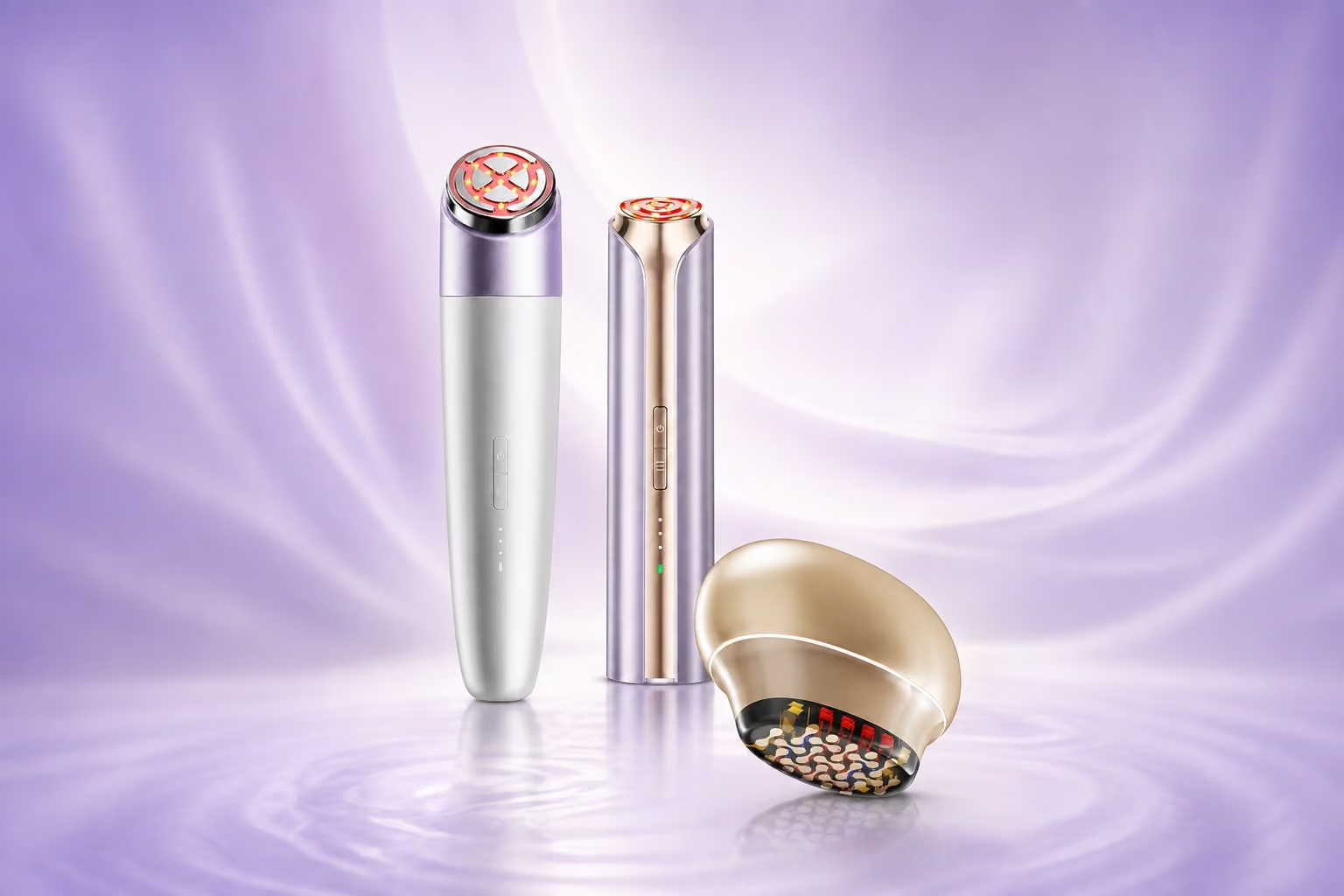
Cleansing, anti-aging, skin rejuvenation and more
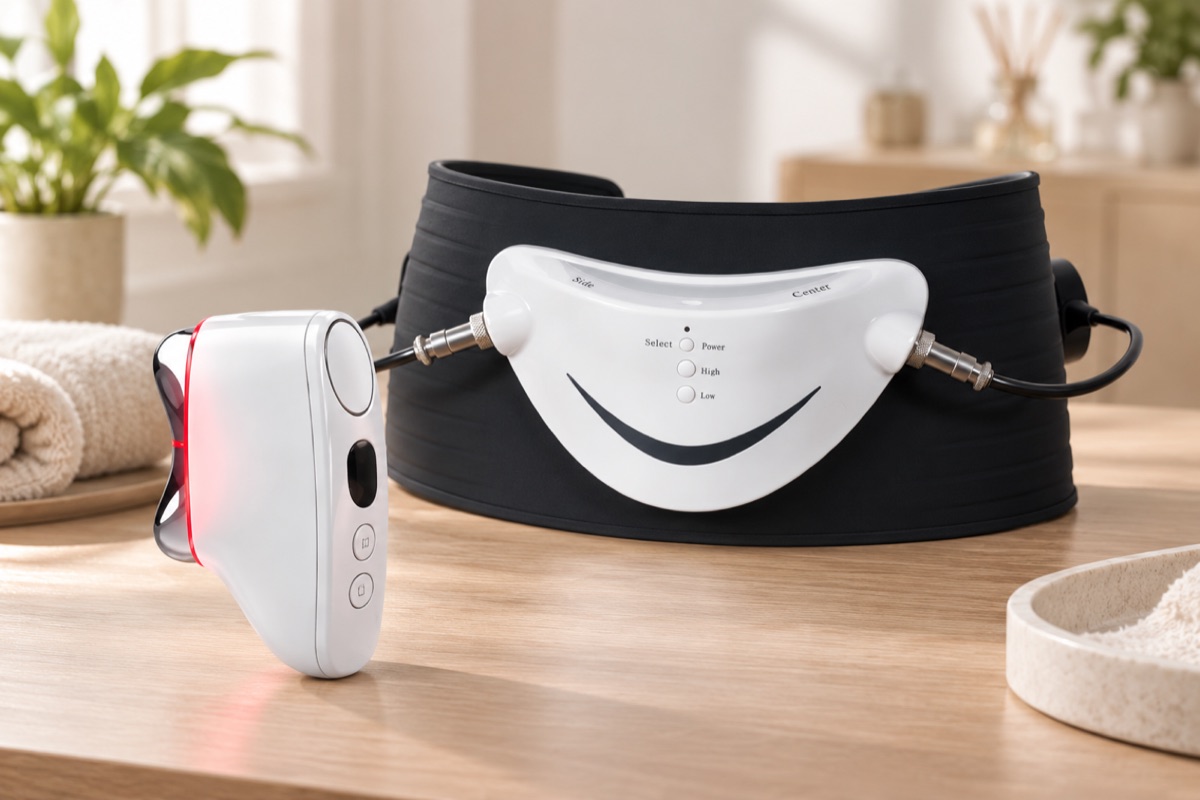
RES Skin Contouring and waist-belt body care platforms
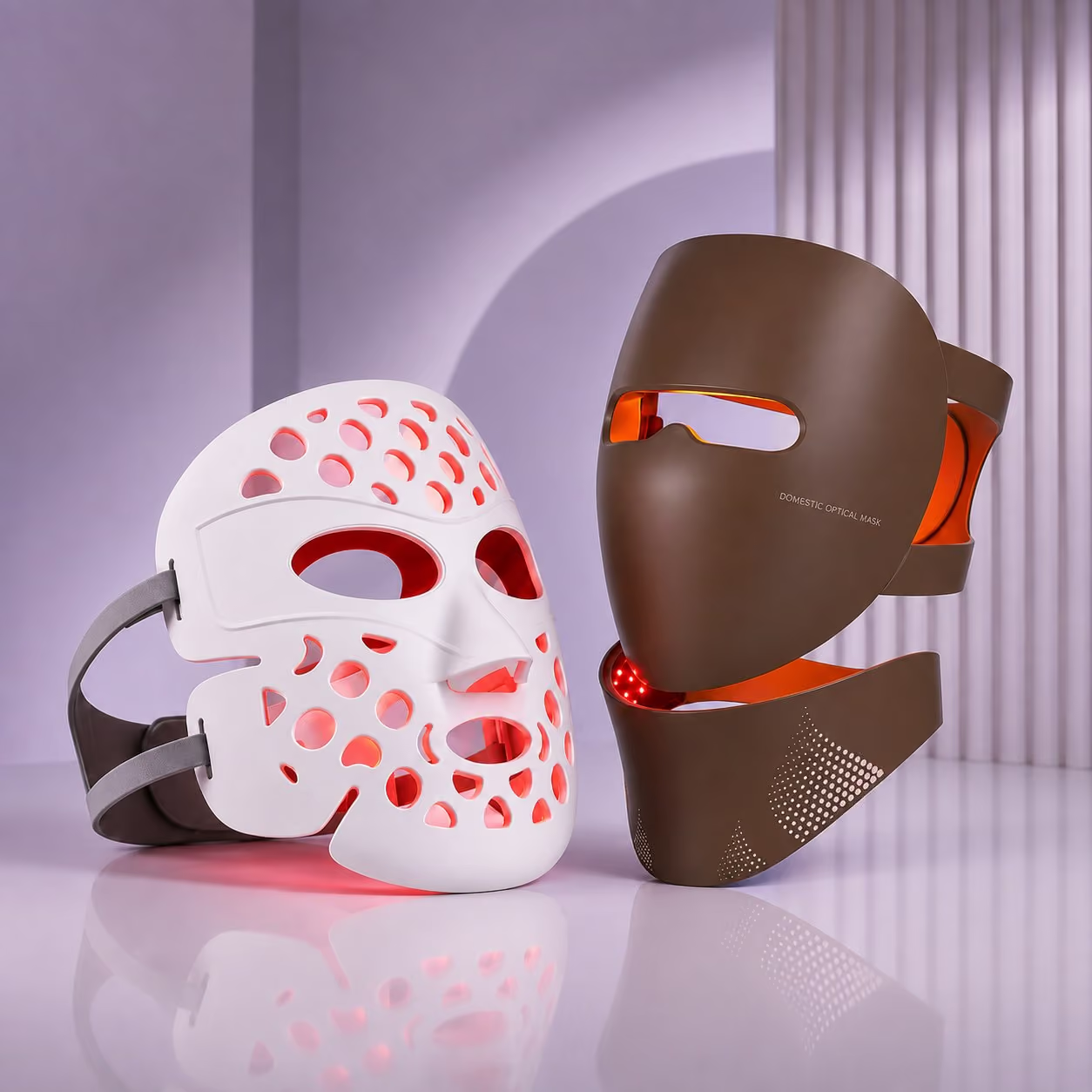
Customized design with LED wavelength and irradiance
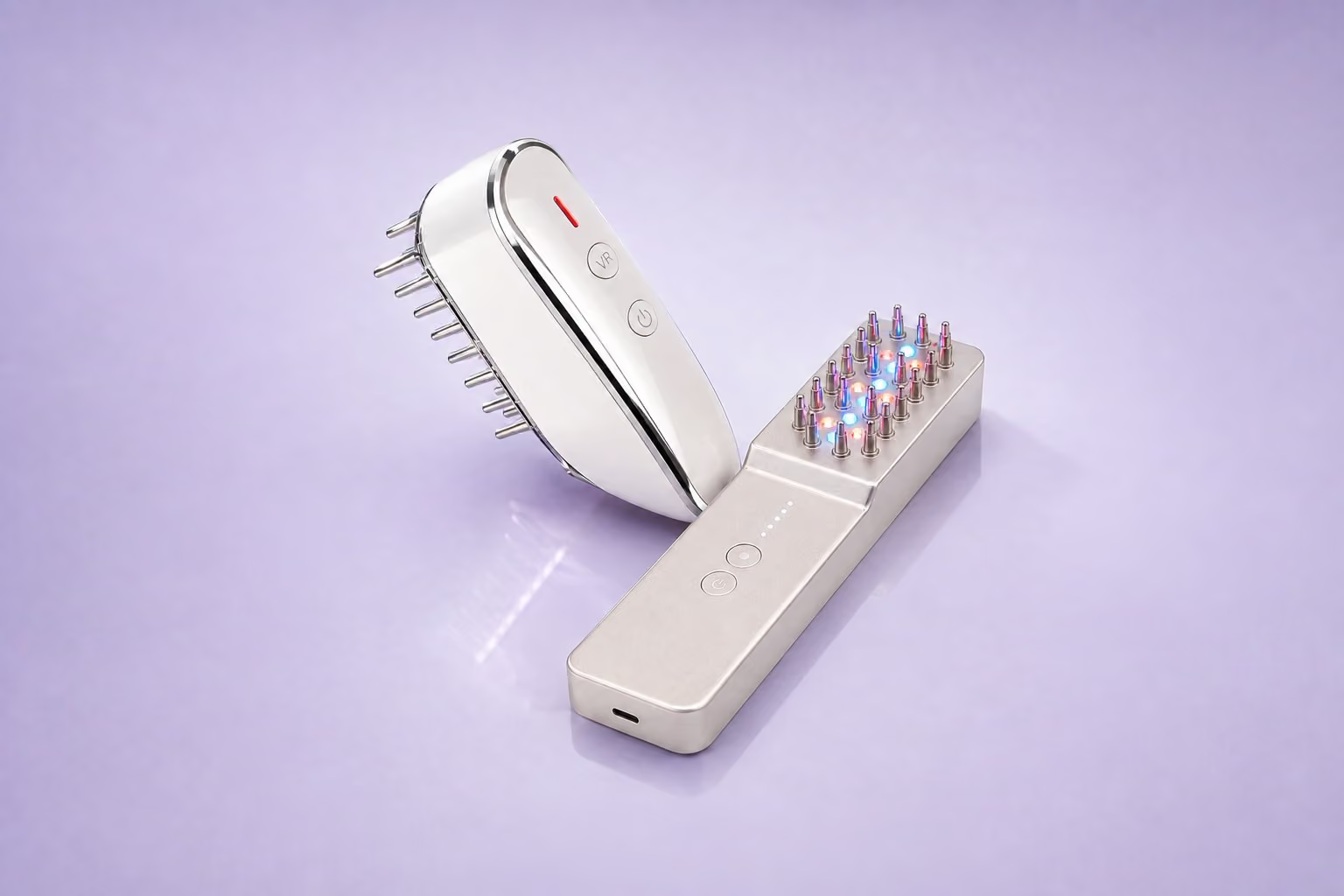
Scalp massage, light therapy, serum dispensing and nourishment
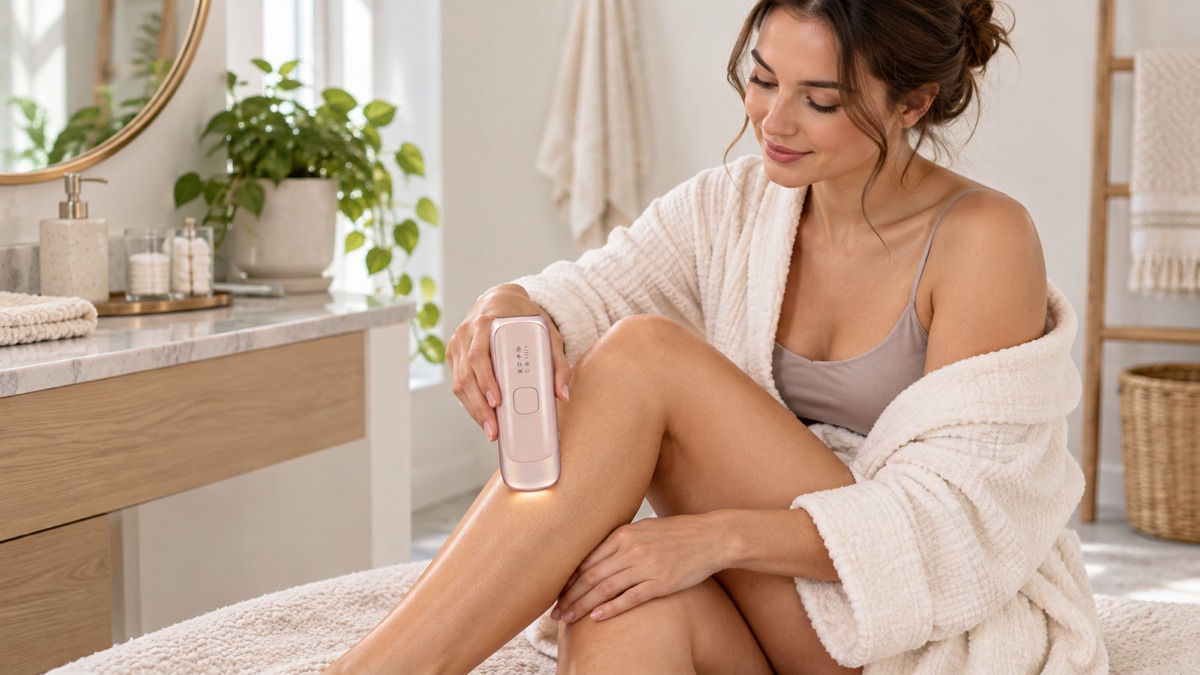
From concept to launch
From the first brief to a production-ready device, we align functions, design, engineering and manufacturing so every decision moves your product closer to market.

Align target markets, users, product positioning, core needs, target cost and launch goals.
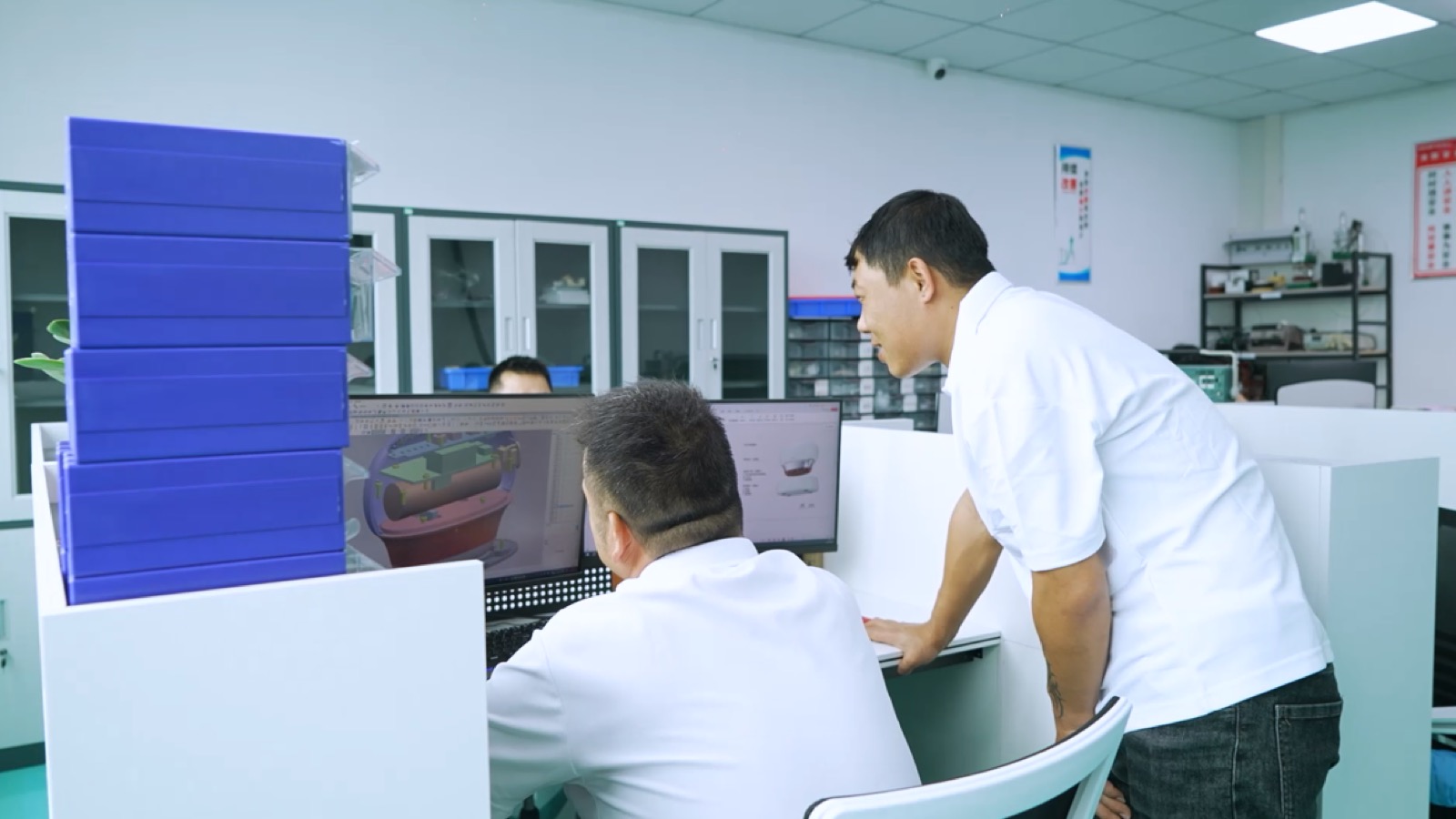
Define the product roadmap, treatment functions, operating modes and differentiated user value.
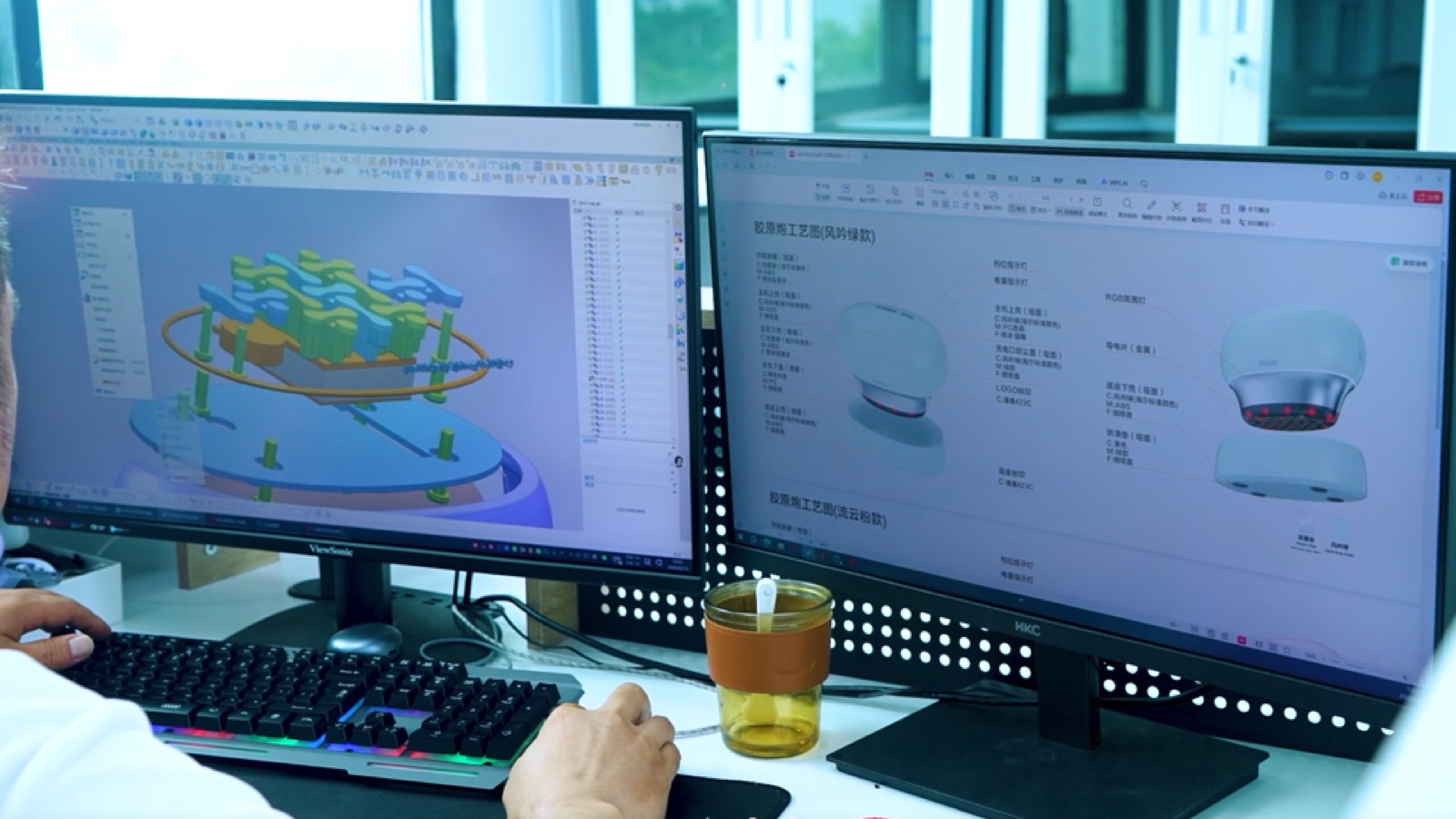
Develop form, ergonomics, materials, controls and a visual language aligned with the brand.
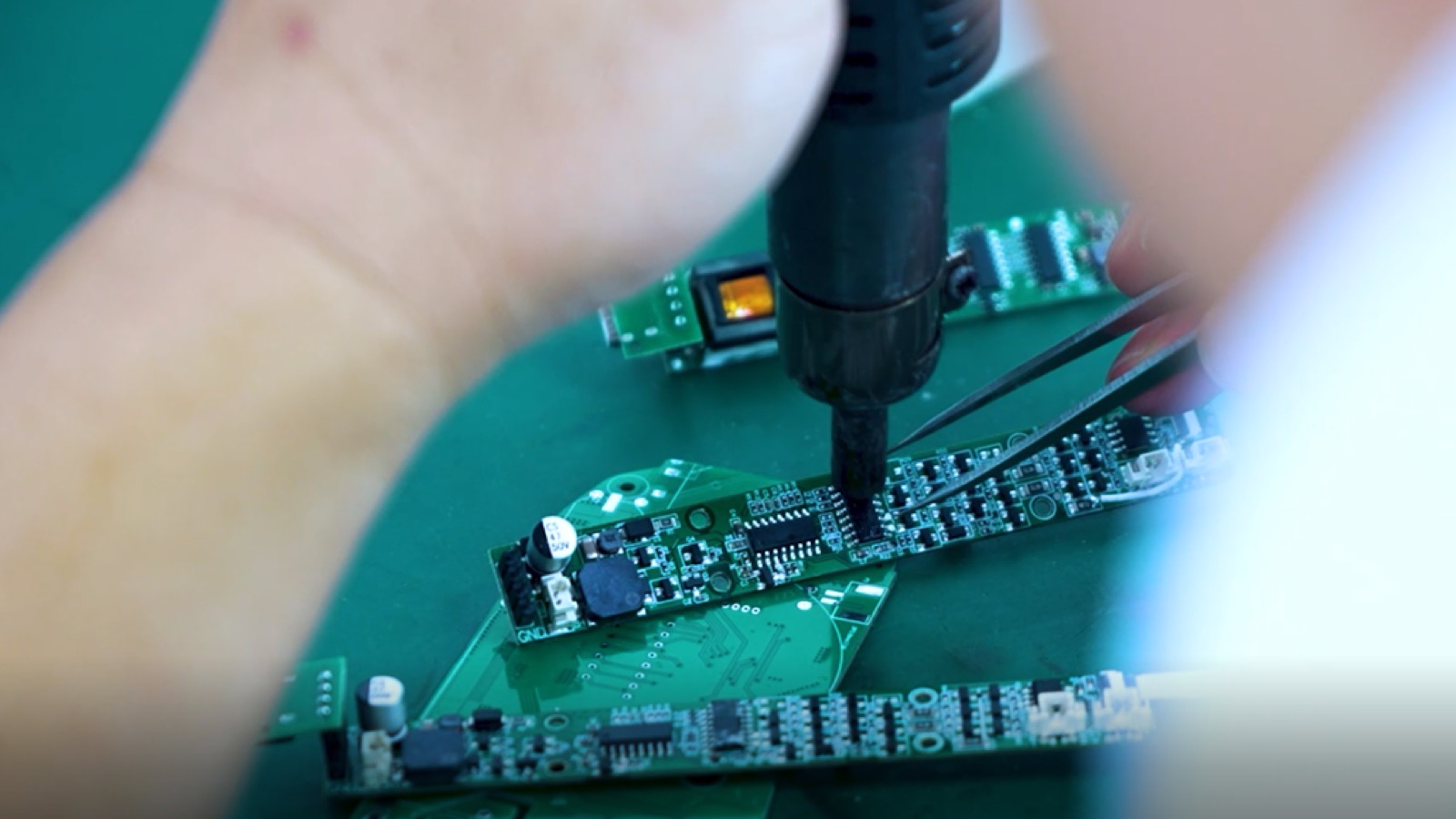
Integrate structure, electronics, firmware and system controls into a buildable architecture.
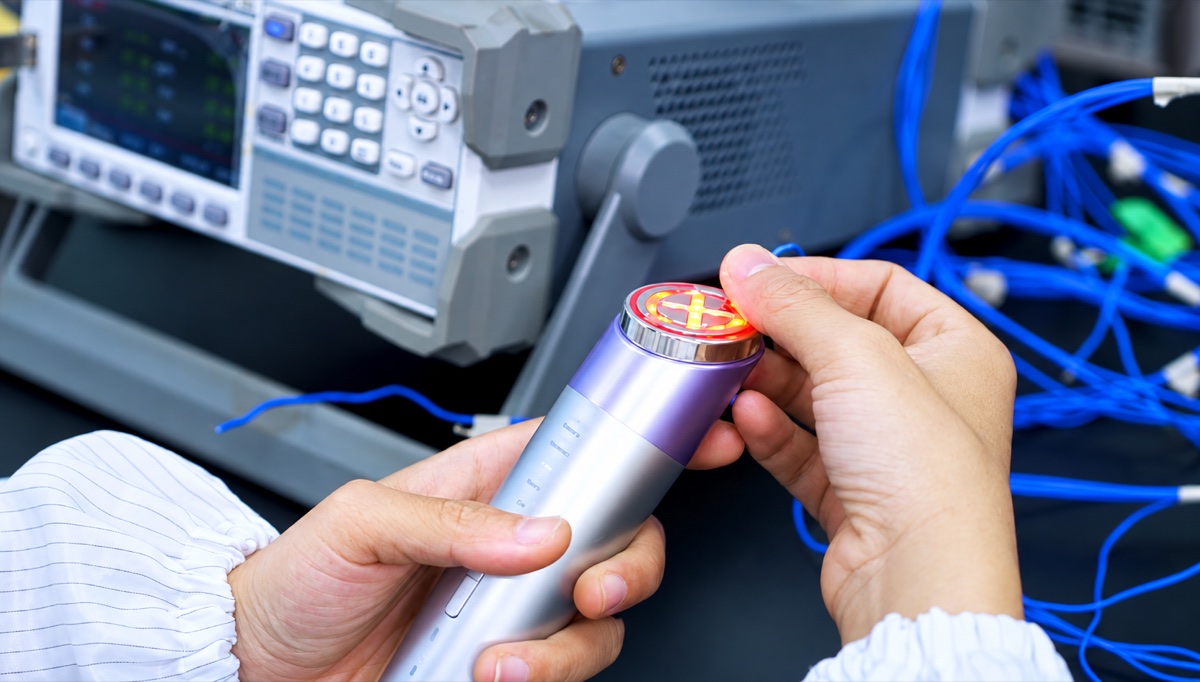
Build and test functional prototypes for performance, safety, usability and design refinement.
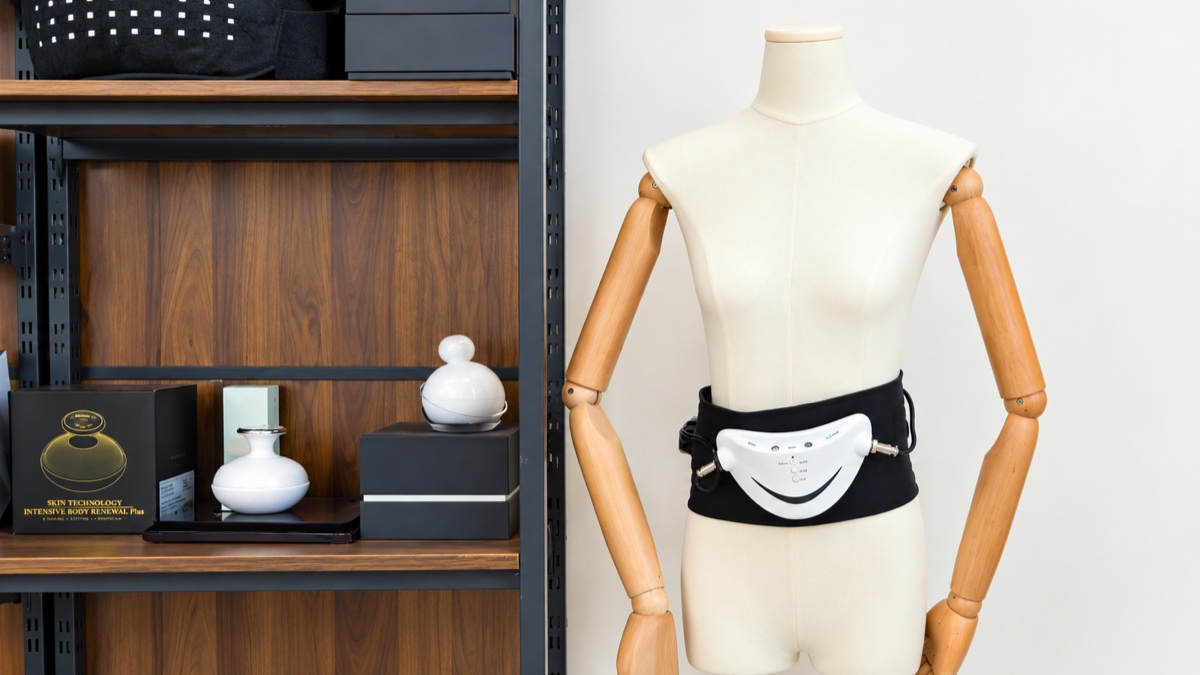
Review target-market requirements, documentation needs, risk controls and intellectual-property boundaries before tooling.
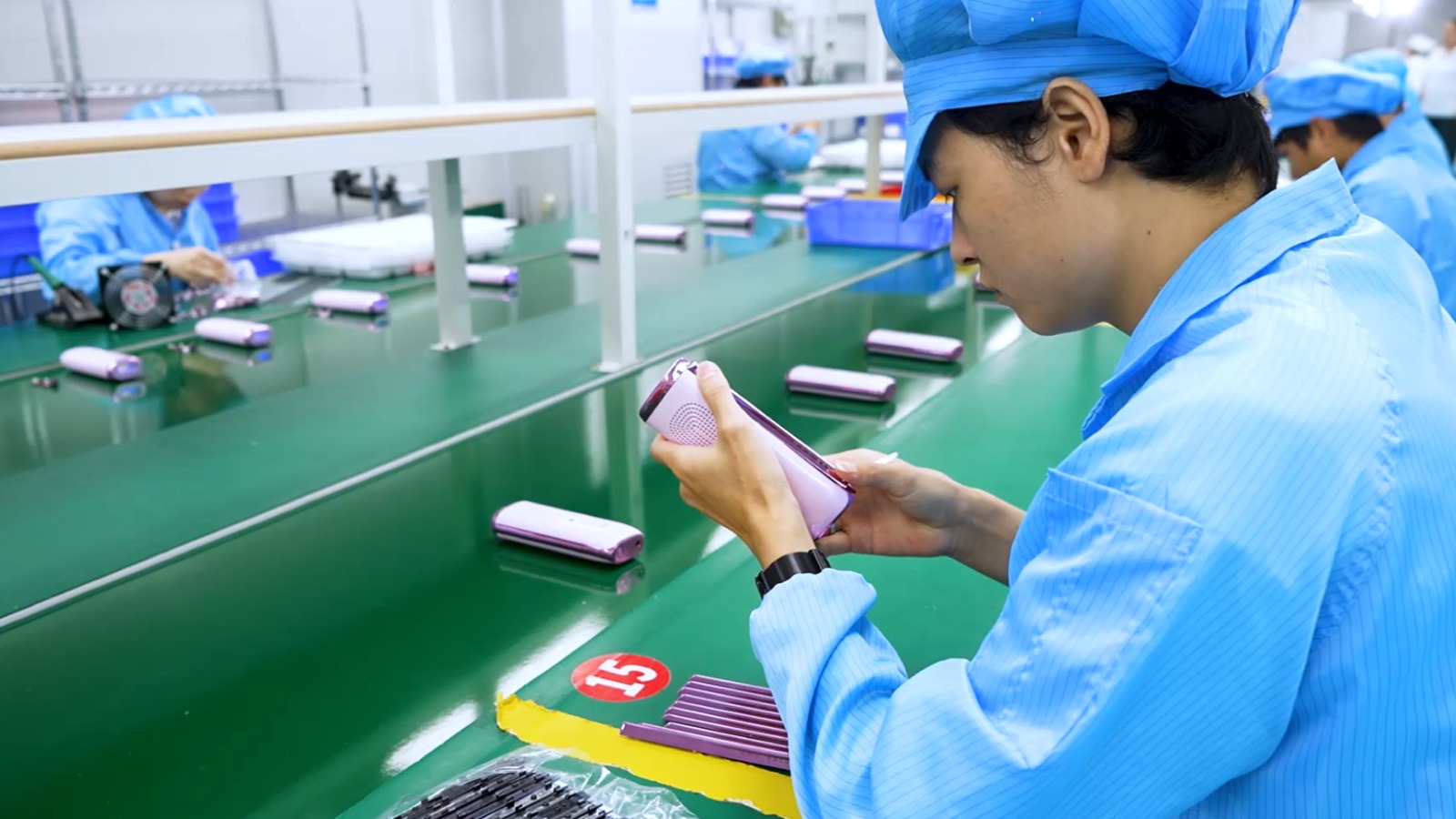
Release tooling, complete pilot builds and verify the production process before scale-up.
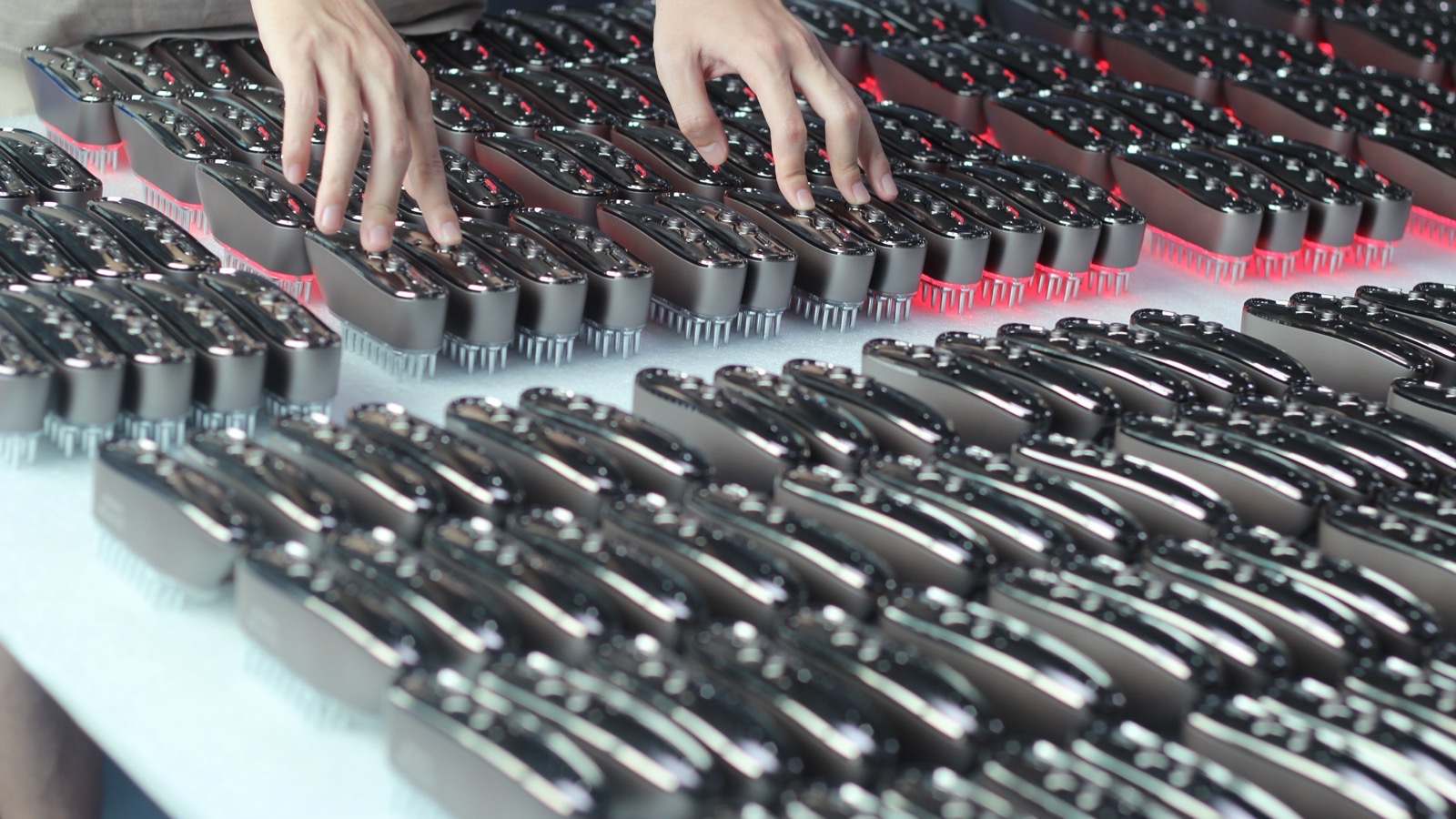
Scale manufacturing with incoming, in-process and finished-product inspections for consistent quality.
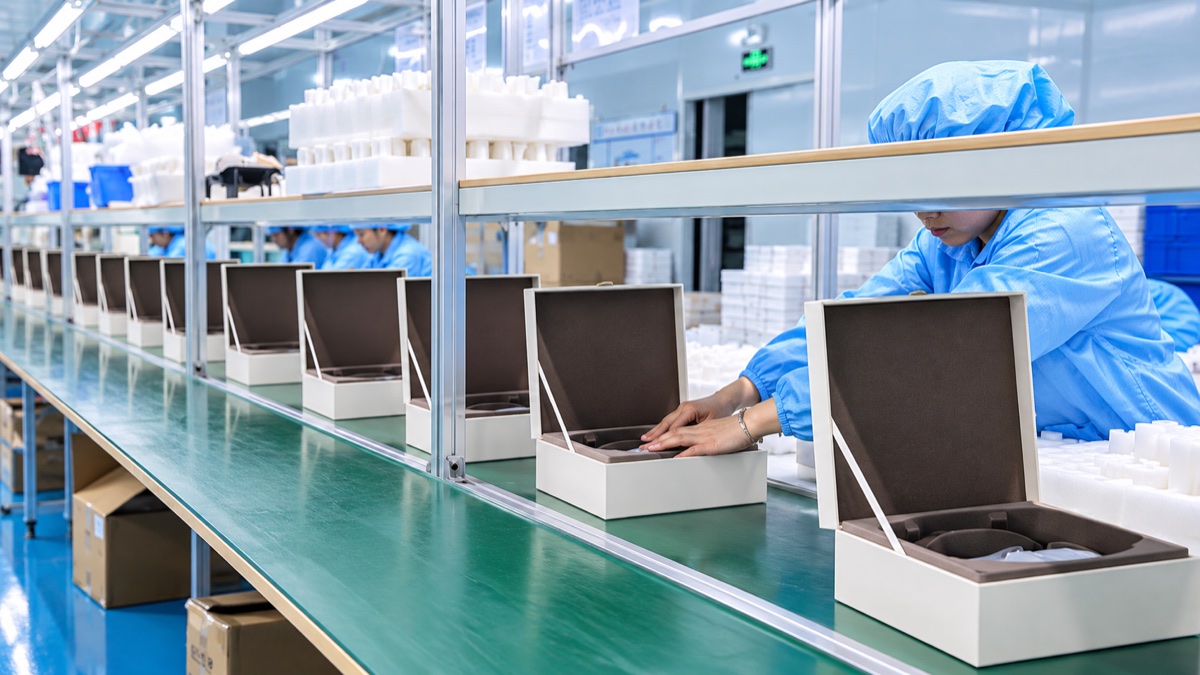
Finalize packaging and documentation, coordinate delivery and provide ongoing technical support.
We follow standardized processes to ensure reliable, market-ready products.
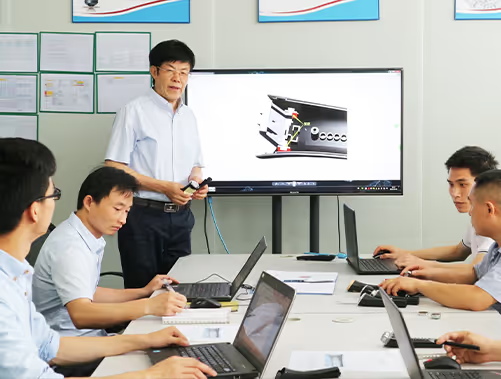
Design validation and risk management
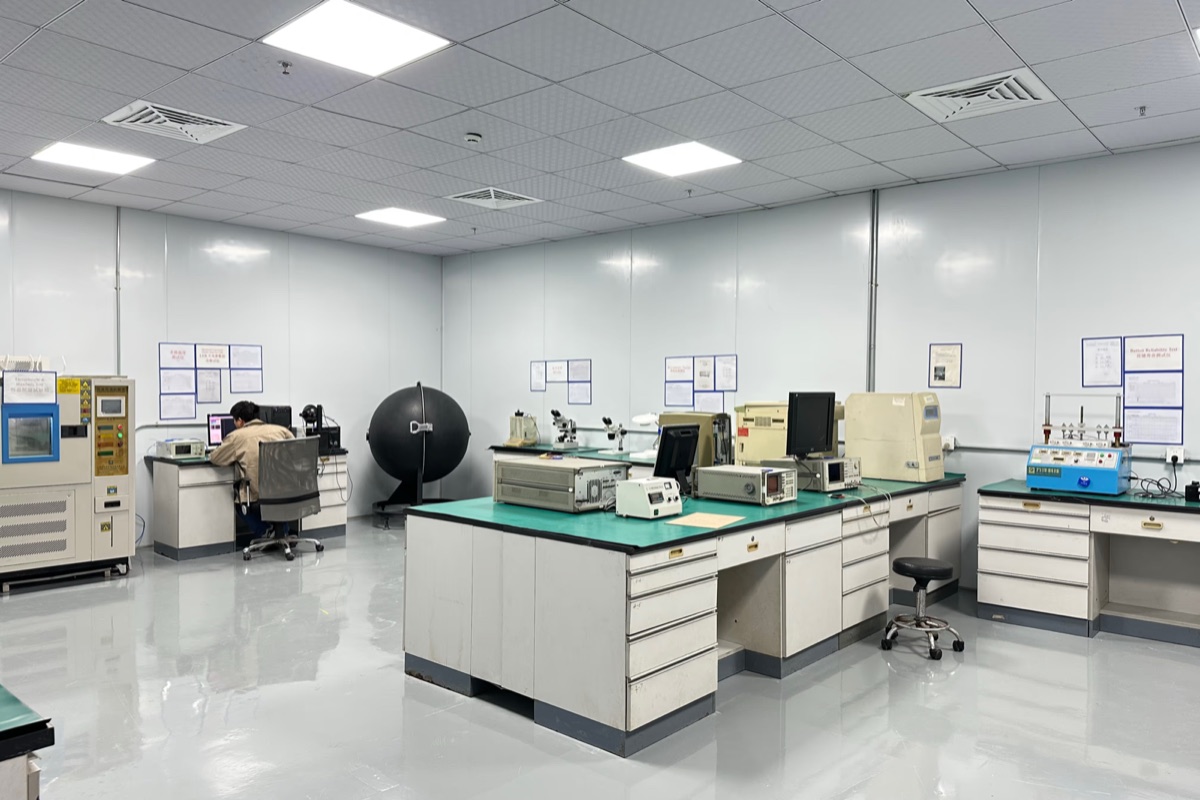
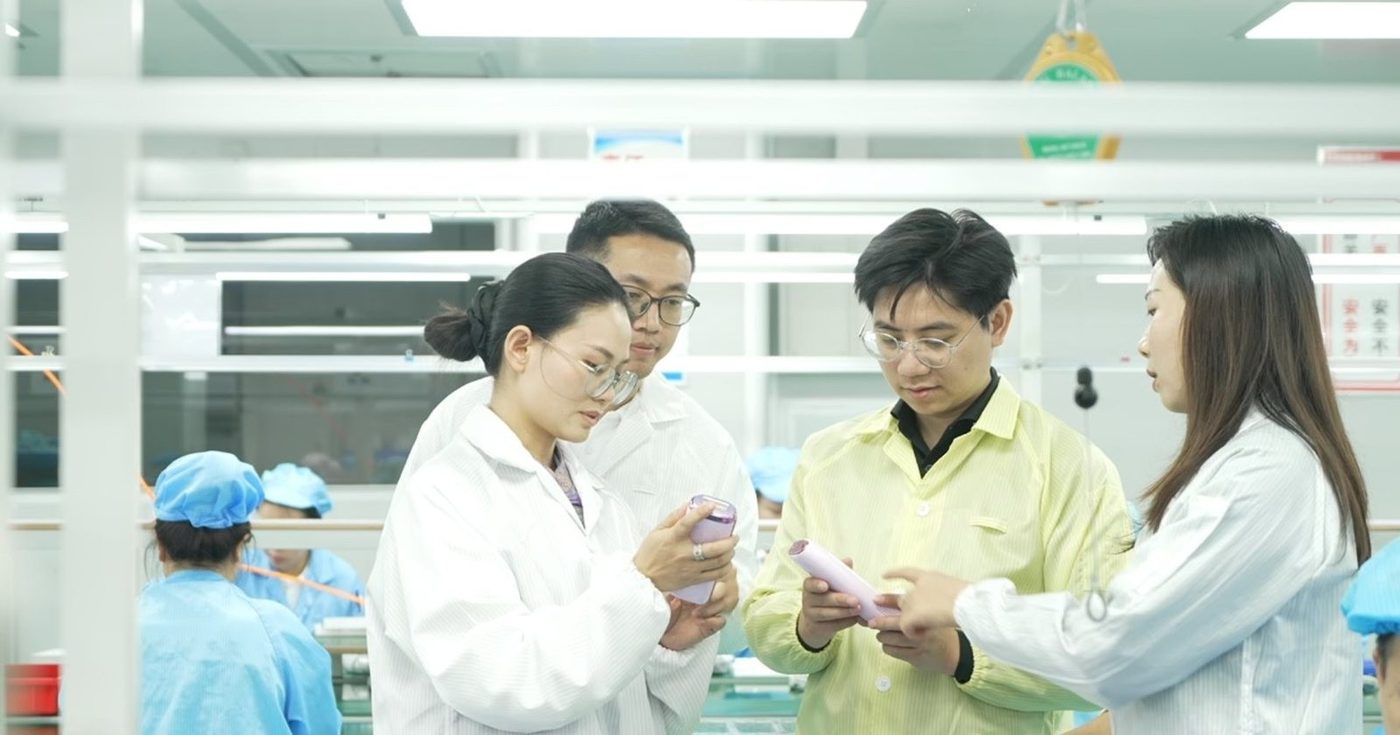
Functional and safety testing
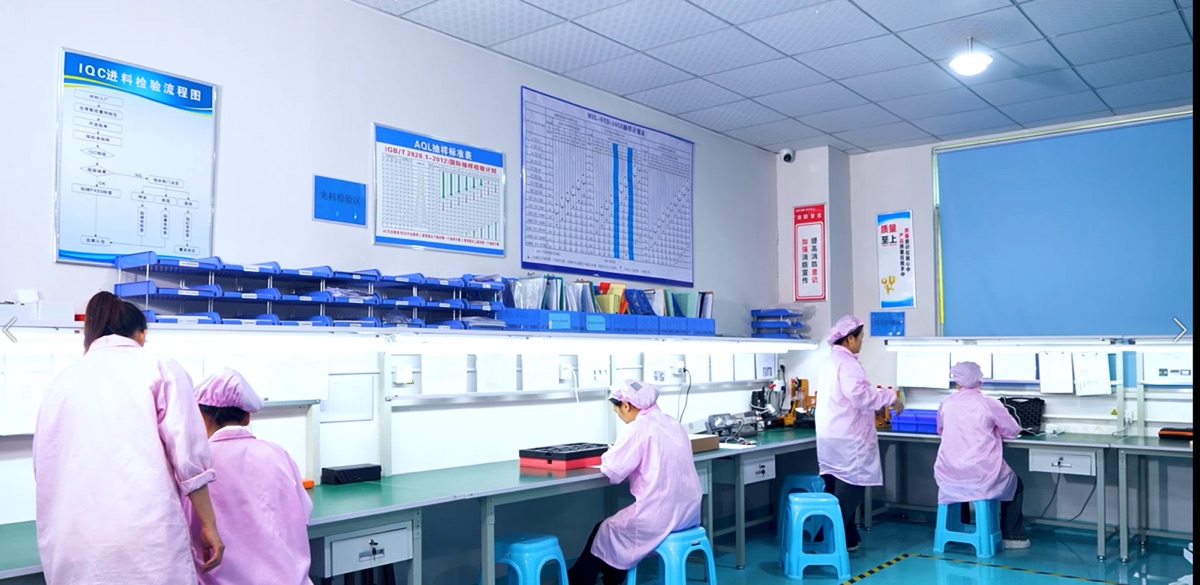
Process control and quality inspection
From components to finished products

Quick answers to common questions. Still have questions? Contact our team.
Yes. You do not need a complete product specification to start an ODM project. We can begin with a concept, reference product, rough sketch or initial list of functions, then work with you to define the requirements and evaluate technical feasibility. If available, you can also share industrial design drawings, 3D/STP files, functional specifications or other technical documents. The more developed your concept is, the faster we can move into engineering evaluation.
Start with your target market, intended users, core functions, product positioning, design preferences, target price and estimated order quantity. If available, please also share reference products, sketches, renderings, ID drawings, 3D/STP files, technical specifications or existing prototypes. These are not required for the first discussion, but they help us evaluate the project more accurately and efficiently.
Depending on the project, we can develop or customize the industrial design, mechanical structure, treatment head, electronics, PCB, firmware, operating parameters, user interface, accessories and packaging. Our ODM work covers facial beauty devices, body care devices, LED and light therapy products, hair and scalp care devices, PEMF and other wellness technologies. The exact development scope is defined after technical feasibility review.
Before detailed engineering, we review the intended functions, product structure, performance targets, user experience, safety requirements, target cost and manufacturing feasibility. If necessary, we may recommend changing the structure, technical approach or specifications before prototyping. The goal is not simply to build the concept as drawn, but to identify major technical and manufacturing risks before significant tooling and development investment.
We can sign an NDA before you share confidential drawings, technical files or detailed product concepts. Project information is handled confidentially and used only for evaluation and development of your project. Ownership of customer-provided designs, files and pre-existing intellectual property remains with the customer. For jointly developed or newly created IP, ownership and usage rights can be defined in the development agreement before the project begins.
Development time and cost depend on the technical complexity, industrial design, electronics, tooling, prototype iterations and validation requirements. A full ODM project typically takes around 90–150 days from confirmed requirements to pilot production, while simpler platform-based developments may be faster. Development, prototype and tooling costs are evaluated after the project scope is defined and quoted before engineering begins.
MOQ depends on the level of customization, tooling investment, component requirements and manufacturing process. A fully customized ODM project generally requires a higher MOQ than private-label production using an existing platform. We confirm the practical MOQ after the product architecture and development scope are defined. For early-stage projects, prototype and pilot-build quantities are discussed separately from mass-production MOQ.
Yes. Target-market compliance is considered during product development rather than only after the product is finished. Based on the product and destination market, we can support applicable safety, EMC, material, battery and other product testing, and coordinate with qualified third-party laboratories when required. Specific standards and certification routes are reviewed according to the product classification, functions, claims and target market.
We combine market insight, technical expertise and manufacturing experience to help global brands bring innovative products to life.
Deep experience in home beauty, body care and wellness devices
From concept to mass production, with reliable technical execution
Support for emerging brands and established players
Structured development process and international quality standards
Tell us about your project and our team will get back to you shortly.
We trade links with legitimate, indexed sites that already link back to us. Tell us about yours and we will review it within a few days.
© 2026 DermaNix. All rights reserved.
Powered by DermaNix CMS
Ask about existing models, sample arrangements and private label orders. Share your product category or model, target market, estimated quantity and branding requirements.